
“I [John Marshall] do declare myself a citizen of the Commonwealth of Virginia; I relinquish and renounce the Character or Subject or citizen of any Prince or other State whatsoever, and abjure all allegiance which may be claimed by such Prince or other State…”
By May 25, 1782, when John Marshall asserted those opening words in taking his Oath of Office as a Virginia delegate in Richmond, he’d already proved the sentiment many times over. While many Americans associate long black robes and the famous U.S. Supreme Court case Marbury v. Madison with the man, his patriotic roots were grounded in the years defining our American Revolution.
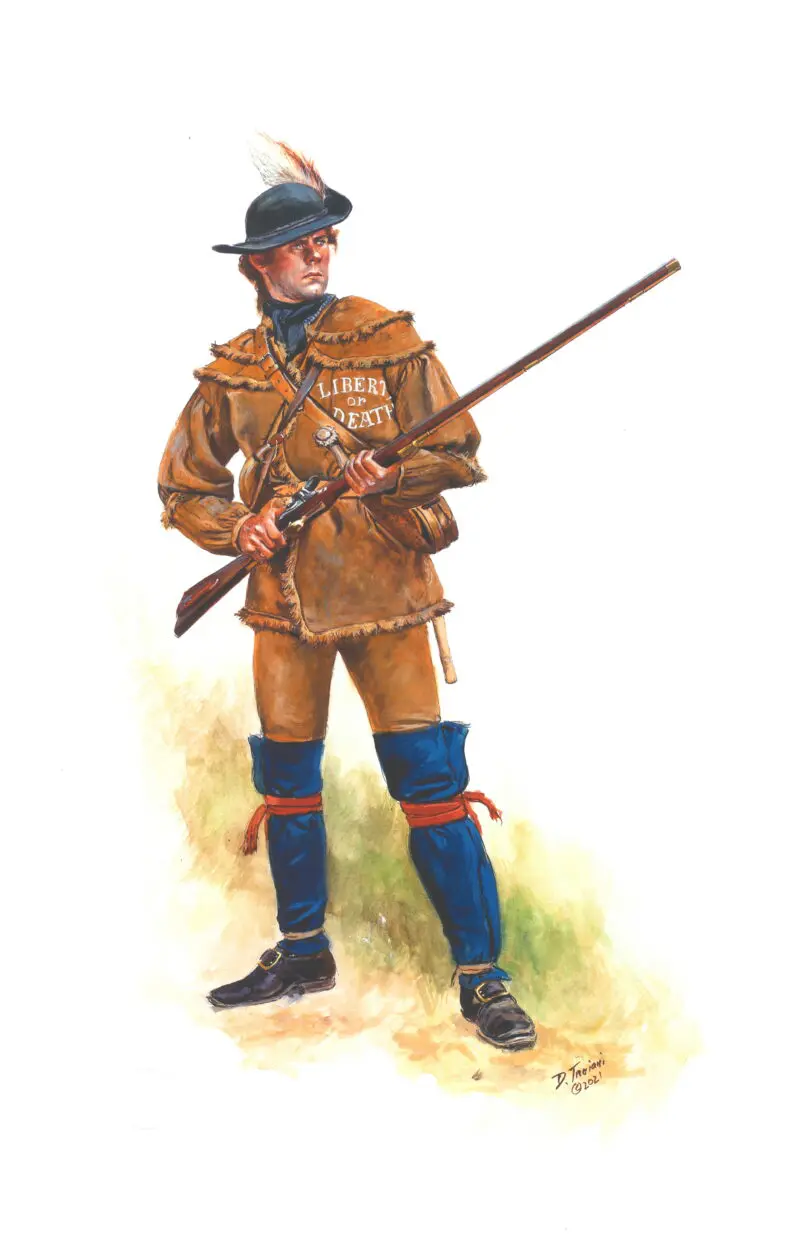
May of 1775, weeks before George Washington would famously be appointed Commander in Chief of our new Continental Army, 19 year-old John Marshall was given a commission to his home militia of Fauquier County. Circa September of 1775 he was a first lieutenant in Culpeper Minutemen Battalion, continuing to serve in the Continental Army through December of 1779.
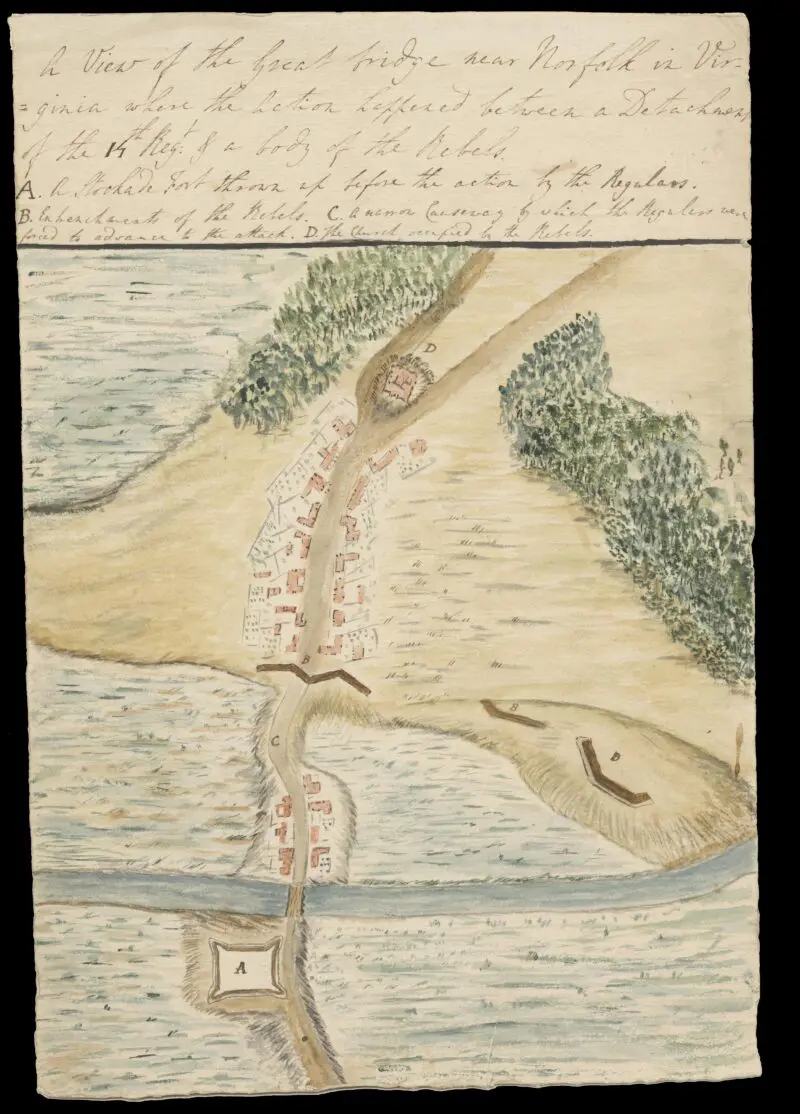
Those pivotal years for America were also pivotal for Marshall himself. He was part of the Great Bridge-Norfolk Campaign. He served alongside Washington and the Marquis de Lafayette at Brandywine and was stationed with troops during the winter encampment at Valley Forge. From Monmouth to Stony Point, his presence must be acknowledged. Where renowned battles of the American Revolutionary War were fought, Marshall was there.
During his time with the Continental Army, it’s possible his interest in the law, and even his Federalist ideals, took form. Geneva Weidhaas, the John Marshall House Site Coordinator and Bus Tour Operations Manager for Preservation Virginia, shared her belief that this is the case. As a historian who has come to know Marshall well, she sees the older, mature Marshall impacted by his Revolutionary experiences. One sure example of a formative experience took place in 1777. Prior to officially studying law and without a degree, John Marshall was appointed as a deputy judge advocate at Valley Forge.
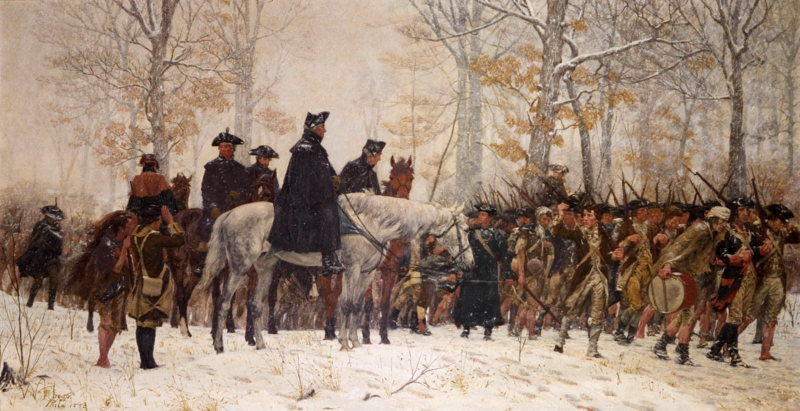
Although he stepped away from the front lines and military camps before the decisive victory at Yorktown in 1781 and the signing of the Treaty of Paris in 1783, the years leading to the War’s end continued to shape his future.
From May through July of 1780, John Marshall studied law at the College of William and Mary under George Wythe. Wythe was highly respected; well-known for the Virginia delegation leaving him the “top” line for his signature on the Declaration of Independence as well as being both mentor and friend to then-Governor Thomas Jefferson, a cousin to Marshall through his mother’s line.
August 28, 1780 marked Marshall’s admittance to practice law in Fauquier County. In 1782, he began his first term in Virginia’s House of Delegates representing Fauquier County, for which his partial oath opened this article. On January 3, 1783, the same year in which the Treaty of Paris would officially end the Revolutionary War on September 3rd, John married Mary Willis Ambler, fondly called ‘Polly.” He had courted Polly, of Yorktown, during his time at William & Mary.
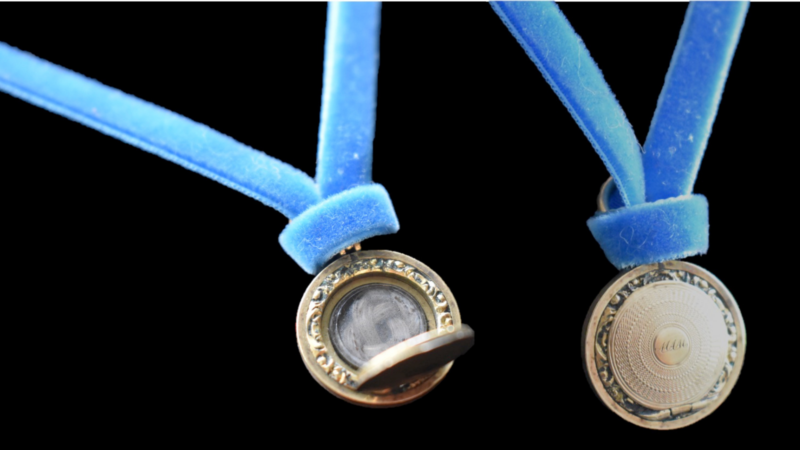
At the John Marshall House, there’s a locket. Inside it, according to family lore, locks of hair from both John and Polly, intertwined endlessly. This is the locket Polly wore until the day of her death when she is said to have struggled to remove it for John to wear after she passed. And it was with him daily. John and Polly’s marriage and commitment, as well as their early romance, are captivating elements throughout the John Marshall House experience. Meeting and marrying during a war is central to the couple they became and it is important to see the full picture when learning about Marshall.
The Revolutionary era preceding John Marshall’s national roles from President Adams’ envoy to France in 1797, being named Secretary of State and then beginning his career as Chief Justice in 1801, surely shaped the man whose home you can see today. It’s an original building, built by John Marshall in 1790, kept in the family until 1907 when his granddaughters sold it to the City of Richmond, who built John Marshall High School immediately behind the house in 1908. Preservation Virginia, then the Association for the Preservation of Virginia Antiquities (APVA), took custody of the home in 1911, and by 1913 it was open to the public as a museum.
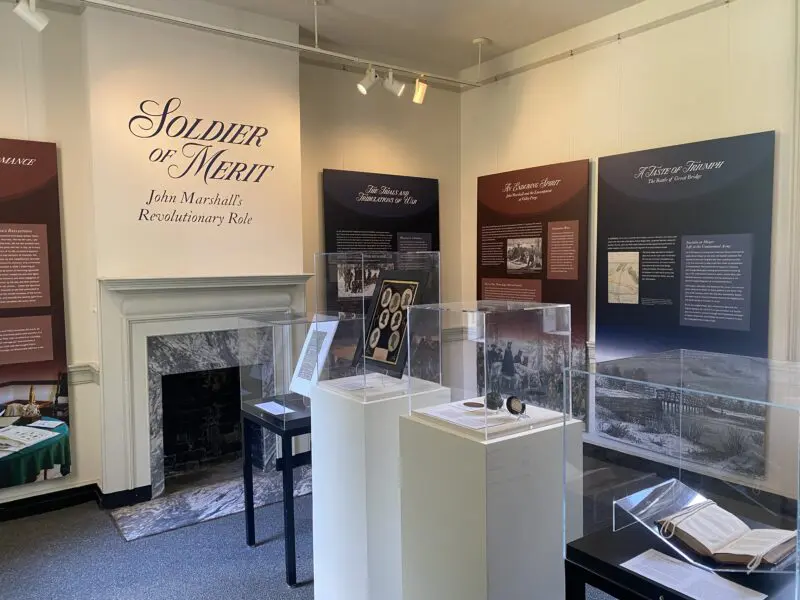
Preservation Virginia’s John Marshall House is the experience. It’s how to immerse yourself in the life of John Marshall. In honor of America’s 250th, the Soldier of Merit exhibit is currently on display. Over a year in the making, this exhibit shines light on the man before he became famous.
The exhibit is a credit to Preservation Virginia Staff who contributed along with Geneva: Elyse Werling, Director of Interpretation and Collections, Katie Drash-Mapes, Museum Educator and, Miller Bowe, Museum Educator.
About the author: Daphne Reznik is the creator of the What American History is About blog. Born in Chicago and living most of her life in Michigan, she moved to Virginia in 2021. After spending years in both state government and corporate life, she’s making her love of history the focus of her career. Daphne resides in Williamsburg, Virginia where she is a certified tour guide passionate about both learning and sharing the history of our nation. Daphne also creates curated travel itineraries for visitors to the region. Browse Daphne’s blog and tour offerings here: linktr.ee/DaphneFreeAt50
Citations:
Marshall, John, Herbert Alan Johnson, Charles T Cullen, and Early. 1974. The Papers of John Marshall: Correspondence, Papers, and Selected Judicial Opinions, November 1800-March 1807. Chapel Hill, N.C : University of North Carolina Press. (Volume 1)
John Marshall, the great chief justice. William & Mary Law School. (n.d.). https://law.wm.edu/about/ourhistory/ Accessed 25 Aug. 2026