For immediate release
For more information, contact:
Dr. Lisa Winn Bryan, lwinnbryan@preservationvirginia.org
(804) 648-1889
2026 AFRICAN AMERICAN FELLOWS PROGRAM AT PRESERVATION VIRGINIA
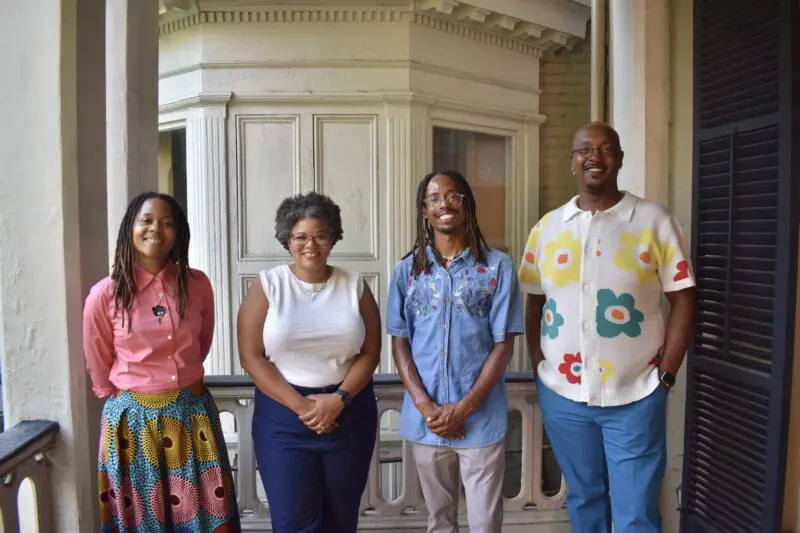
The fourth cohort of community preservationists brings a new approach to historic preservation and research projects for the Commonwealth.
Richmond, VA (June 17, 2026) – Four community preservationists received fellowships through the African American Fellowship Program as part of the Voices Remembered initiative at Preservation Virginia. “This summer and this cohort will be a different approach than years past,” says Dr. Lisa Winn Bryan, fellowship coordinator.
The researcher scholars will work closely with Black historians, architects, archaeologists, Preservation Virginia staff and other scholars to learn best practices and address the historic challenges of American and Virginia history. Planning for the Fellows program began in 2021, guided by an advisory committee of Black leaders and scholars to increase the number of African Americans in the professional field of historic preservation. The curriculum includes “Preservation 101,” networking with historic preservation groups and professionals, experiential learning through visits to historic sites, and identifying career pathways in historic preservation. Support for this year’s cohort is generously provided by an anonymous donor.
Dr. Lisa Winn Bryan, Community Outreach Manager, leads this initiative at Preservation Virginia. “The applicant pool was rich with fascinating research projects; it was extremely difficult to narrow the scope of the applicants this year,” said Dr. Winn Bryan. “Each year, it is more and more difficult to make the selection of summer scholars; these four participants in the fourth cohort were chosen because of the unique project ideas and overwhelming commitments to their causes and communities. The 2026 projects are extremely personal to each cohort member.”
“It’s year four and the 250th year of America’s history! This year’s selection is about unique topics and research related to African American culture through four distinct themes in Virginia history,” said Will Glasco, Preservation Virginia CEO. “We are grateful for the generosity of contributors who want to support the organization’s work; their backing has allowed us to continue this program, and we want to continue the work into perpetuity.”
One percent of preservationist professionals are Black, and only two percent of the ninety-five thousand entries on the National Register of Historic Places focus on the Black experience. It is essential that we cultivate as many individuals as possible who are interested in telling the fuller story of Virginia, because Black history is American history. We will launch and activate the Collective. The Collective comprises individuals who have shown an interest in the African American story in Virginia and wish to learn about best practices in preservation. The Collective allows everyone to participate,” says Winn Bryan.
The 2026 Cohort includes:
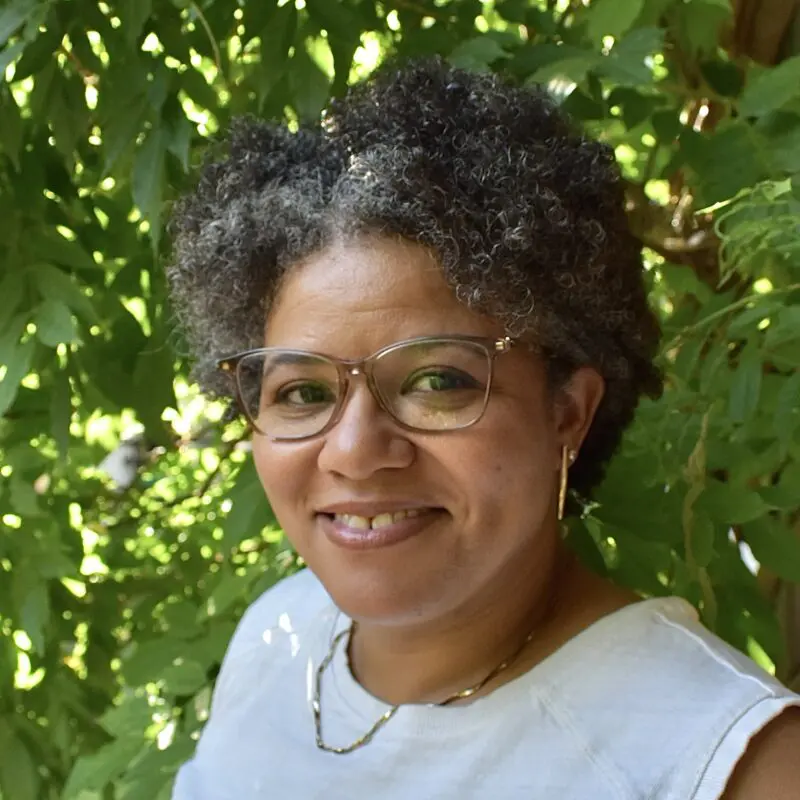 Taekia Glass, The Historic Vaughan Heights Community, Chesterfield, VA
Taekia Glass is a creative placemaker, nonprofit leader, and community-engaged practitioner whose work sits at the intersection of architecture, public art, storytelling, and cultural preservation. As Executive Director of Mending Walls, a Richmond-based nonprofit dedicated to advancing social justice through collaborative art and dialogue, she has spent her career creating projects that foster empathy, preserve community narratives and elevate underrepresented histories.
THE PROJECT: Documenting, preserving, and interpreting the history and cultural legacy of Vaughan Heights, a historically African American neighborhood on Richmond’s Southside, formerly part of Chesterfield County’s Manchester District, is the goal. Today, as many of the neighborhood’s residents age, there is an urgent need to capture and preserve their stories, experiences, and contributions to ensure this legacy lives on. The project will document oral histories, examine neighborhood development patterns, and explore the broader significance of Black cultural landscapes in Virginia and beyond. In addition to local research, the project will investigate regional and national case studies that offer successful models for preserving African American communities and cultural heritage.
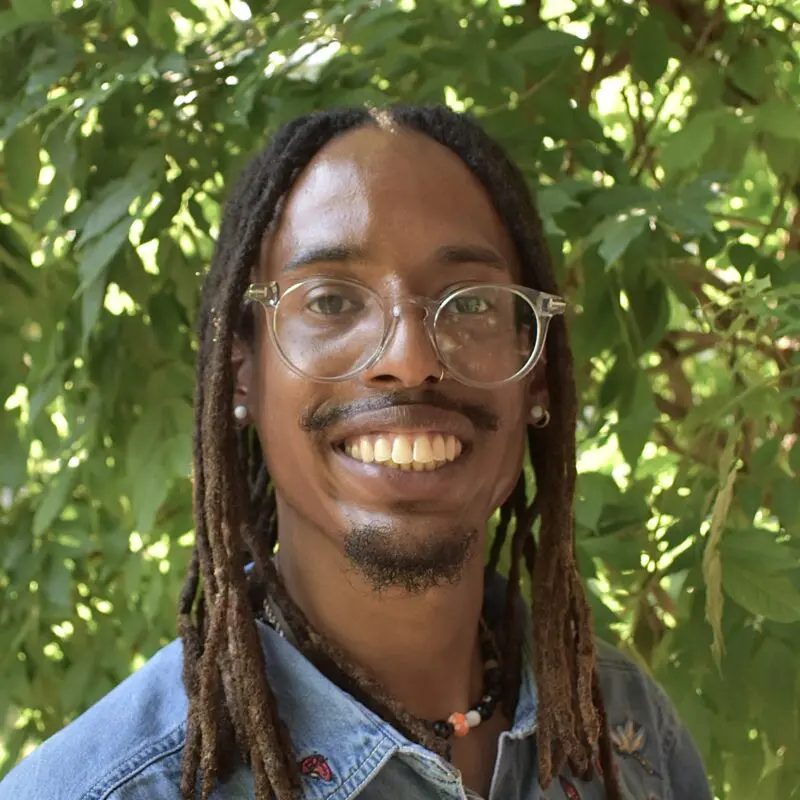 Malique Middleton, Black Virginia Farmers, Petersburg, VA
Malique E. Middleton is a scientist, farmer, educator, and entrepreneur dedicated to preserving African American agricultural traditions while building a more sustainable future through regenerative agriculture. He is the Founder and CEO of Gewd Botanicals, a Richmond-based natural skincare company that grows and utilizes medicinal plants to create value-added products rooted in wellness, environmental stewardship, and community impact. Through workshops, youth programming, and community gardening initiatives, he helps connect people with the skills and knowledge needed to grow food, care for the land, and strengthen local food systems.
THE PROJECT: Middleton’s fellowship research focuses on documenting and preserving African American agricultural and herbal traditions across Virginia through oral histories, photography, interviews, and community-based research. His work seeks to highlight the knowledge, resilience, and innovation of Black farmers, growers, and herbalists while creating resources that ensure these traditions are preserved for future generations. Drawing inspiration from his family’s Gullah Geechee roots and his own experiences as a young Black farmer, Middleton views agriculture as more than food production—it is a cultural practice, a form of stewardship, and a living connection between generations, preserving agricultural heritage, expanding opportunities for future farmers, and strengthening the relationship between communities and the land.
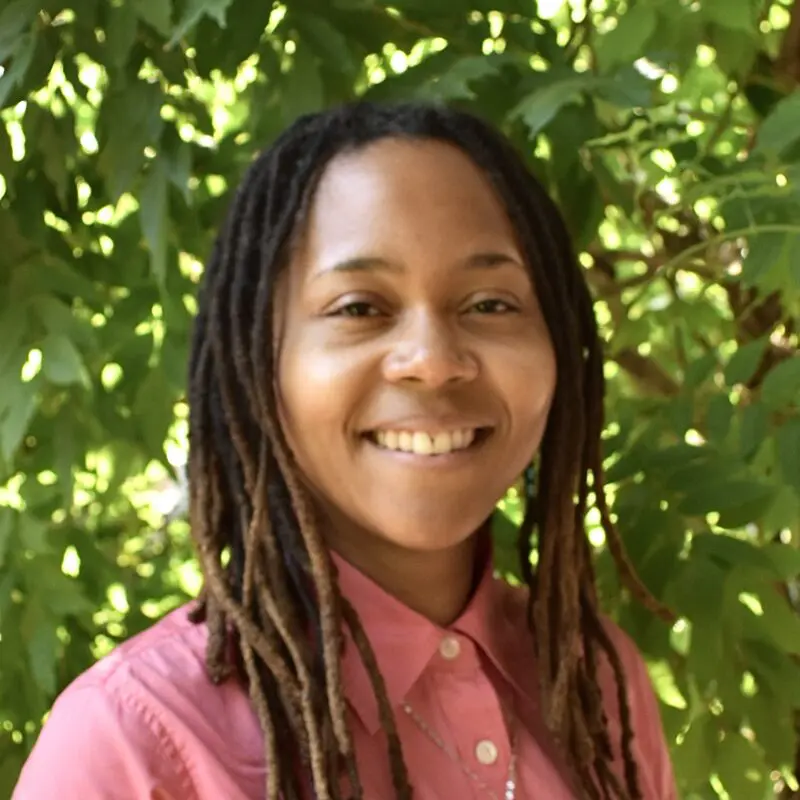 Rachel Pretlow, African American Rootwork and Healing, Norfolk, VA
Rachel Pretlow was born in Norfolk, VA and raised in Chesapeake. She has ancestral ties primarily to the Tidewater region and is a member of the Nottoway Indian Tribe of Virginia. She has always been at home in nature, feeling kinship with the land, waters, and fellow creatures of the Creator. While reconnecting with her family and ancestry, Rachel began to pursue her calling to heal through traditional medicine and cultural connection. She has been receiving mentorship in the African American spiritual system of Hoodoo and was initiated into the practice in 2025 as a rootworker. Rachel is proud to carry the legacy of her ancestors, continue and evolve traditions, and fulfill her role of expanding knowledge and practice of nature-based healing within African American communities.
THE PROJECT: Exploring the African American healing and spiritual tradition of rootwork in the Tidewater and Piedmont regions of Virginia. Rootwork, also known as root doctoring, is a system of folk medicine that harnesses the healing and spiritual power of plants and natural materials to bring about desired outcomes. Rootwork exists within the broader African American philosophy of Hoodoo. These traditions were created by enslaved Africans in the antebellum South. While much is known about rootwork in the Deep South, Rachel’s research aims to identify the characteristic features of Hoodoo and rootwork in Tidewater and Piedmont Virginia before Reconstruction.
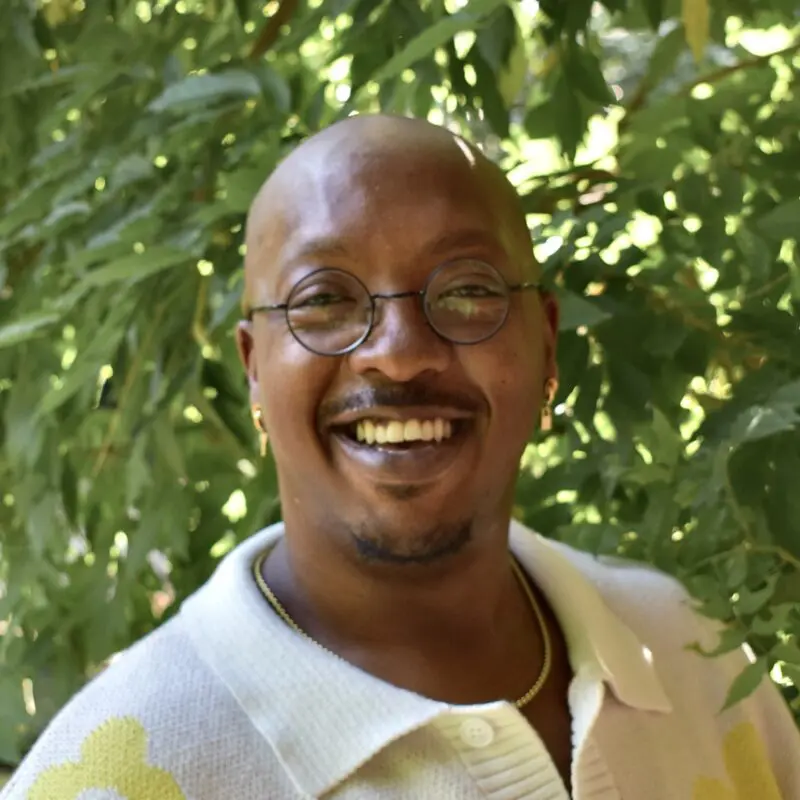 Dr. LaDarius Thompson, Black Queer Virginia, Richmond, VA
Dr. LaDarius Thompson is an educator, community engagement practitioner, and researcher based in Richmond, Virginia, whose work centers on storytelling, belonging, and the preservation of underrepresented histories. A native of South Carolina, he works at the intersection of education, leadership development, public history, and civic engagement.
THE PROJECT: As a member of Preservation Virginia’s 2026 African American Fellowship cohort, Dr. Thompson will undertake Living in Color: Documenting the Joy and Resistance of Black Queer Virginia, a pilot oral history and preservation initiative focused on documenting Black queer historic spaces, cultural landscapes, and community memory in Central Virginia. Through oral histories, archival research, and community engagement, the project will explore how preservation practices can better recognize and interpret spaces connected to Black LGBTQ life, culture, organizing, and belonging. Building on existing efforts to document Virginia’s LGBTQ history, Living in Color specifically centers Black queer experiences that have often been overlooked in traditional preservation narratives.
About Preservation Virginia
Voices Remembered is an initiative of Preservation Virginia (PV) to mine our past for the Black voices that have fallen silent: the voices of the first Black preachers in Virginia, the voices of a family in a rural Virginia shack, newly freed and pondering the future, and the voices of long-forgotten ancestors who still have lessons to teach. Across Virginia, we aim to bring these voices to life, connect them with modern communities, and build capacity in local communities to ensure these historic places remain integral to the American story.
Preservation Virginia is a private, non-profit organization dedicated to inspiring and engaging the public to foster, support, and sustain Virginia’s historic places through leadership in advocacy, education, revitalization, and stewardship. Read more at www.preservationvirginia.org or voicesremembered.org.